
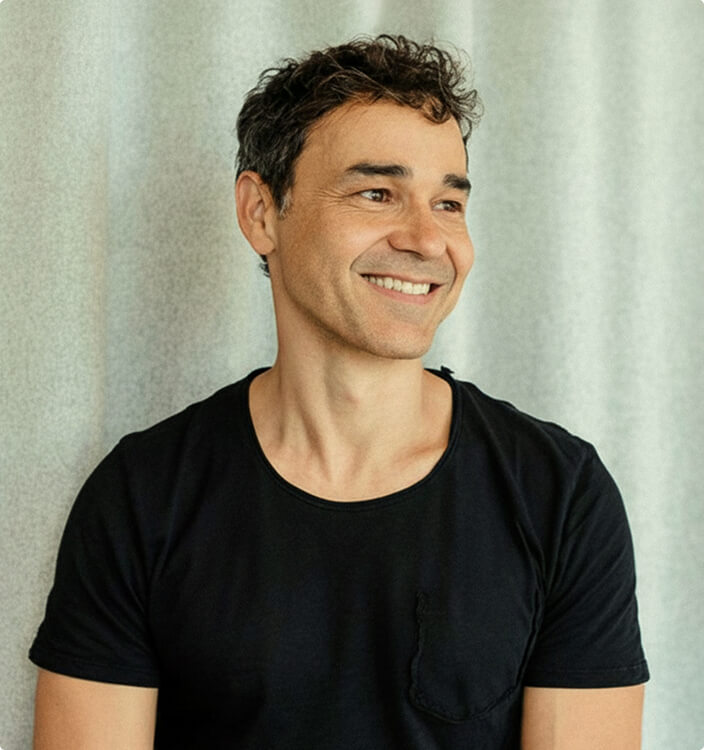
Samuel Clarke
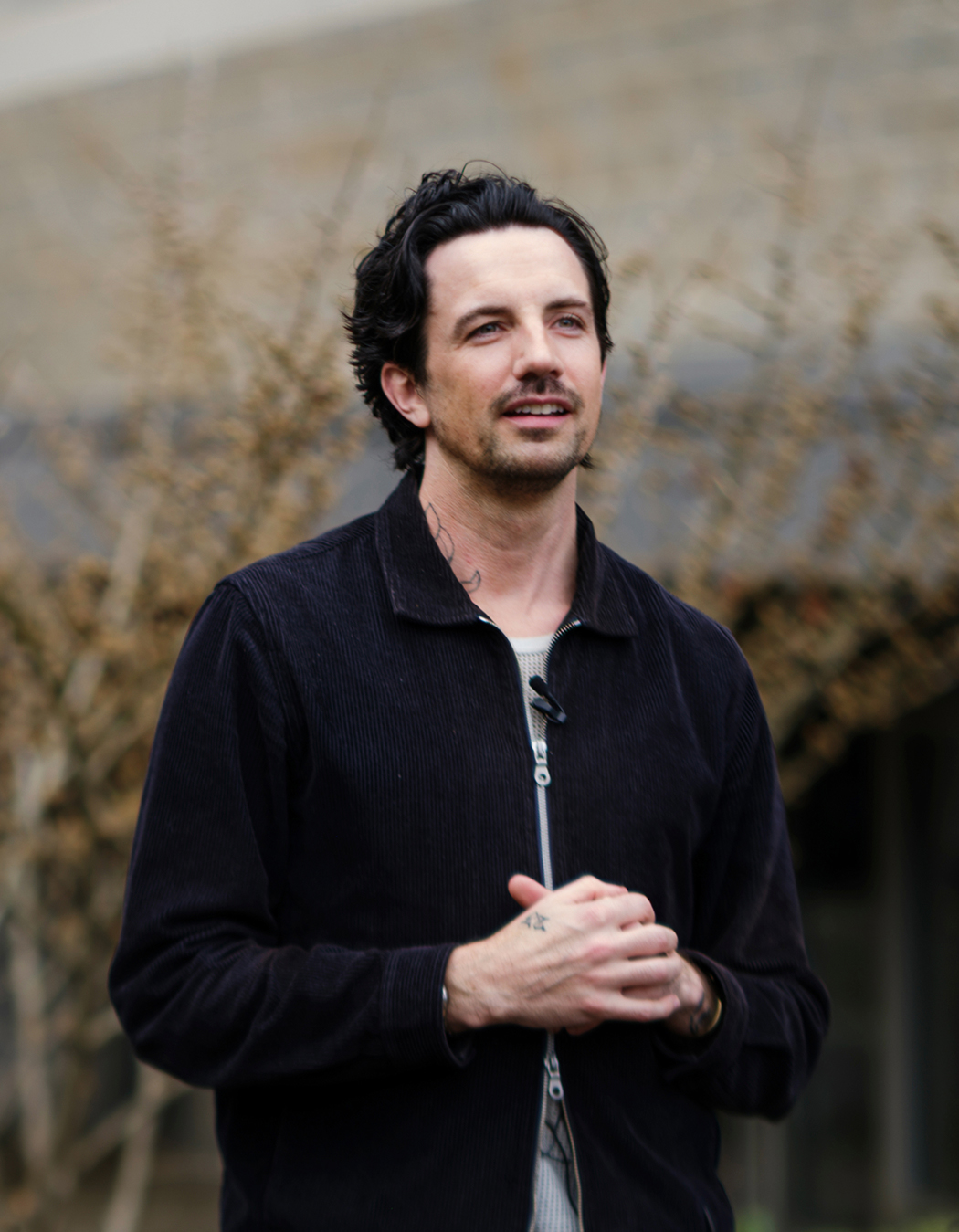
Samuel shapes how a brand thinks, feels, and communicates—driving the creative strategy and storytelling that unites marketing and product. His path into brand creative began with a love of furniture, which evolved into a passion for visual communication. With a foundation in visualization, he now leads the brand expression and vision for Copilot, helping people understand Microsoft AI with clarity and purpose.
How would you describe your job and what you do?
I work to drive creative strategy, story, and vision for the brand; how to best tell a compelling and consistent story across marketing through into product experiences.
How did you first become interested in Brand Creative and what motivated you to pursue it as a career?
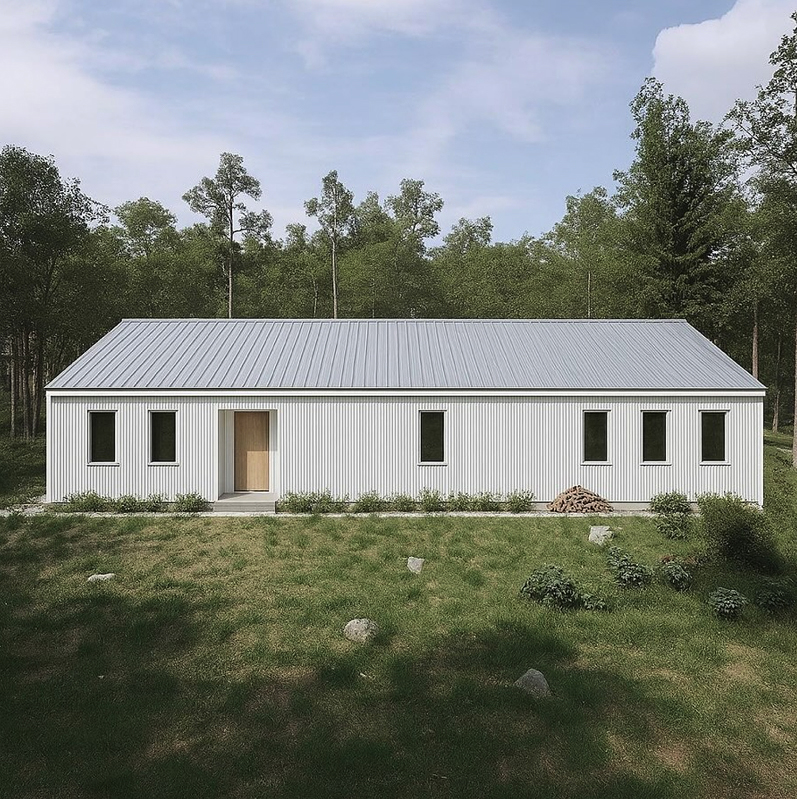
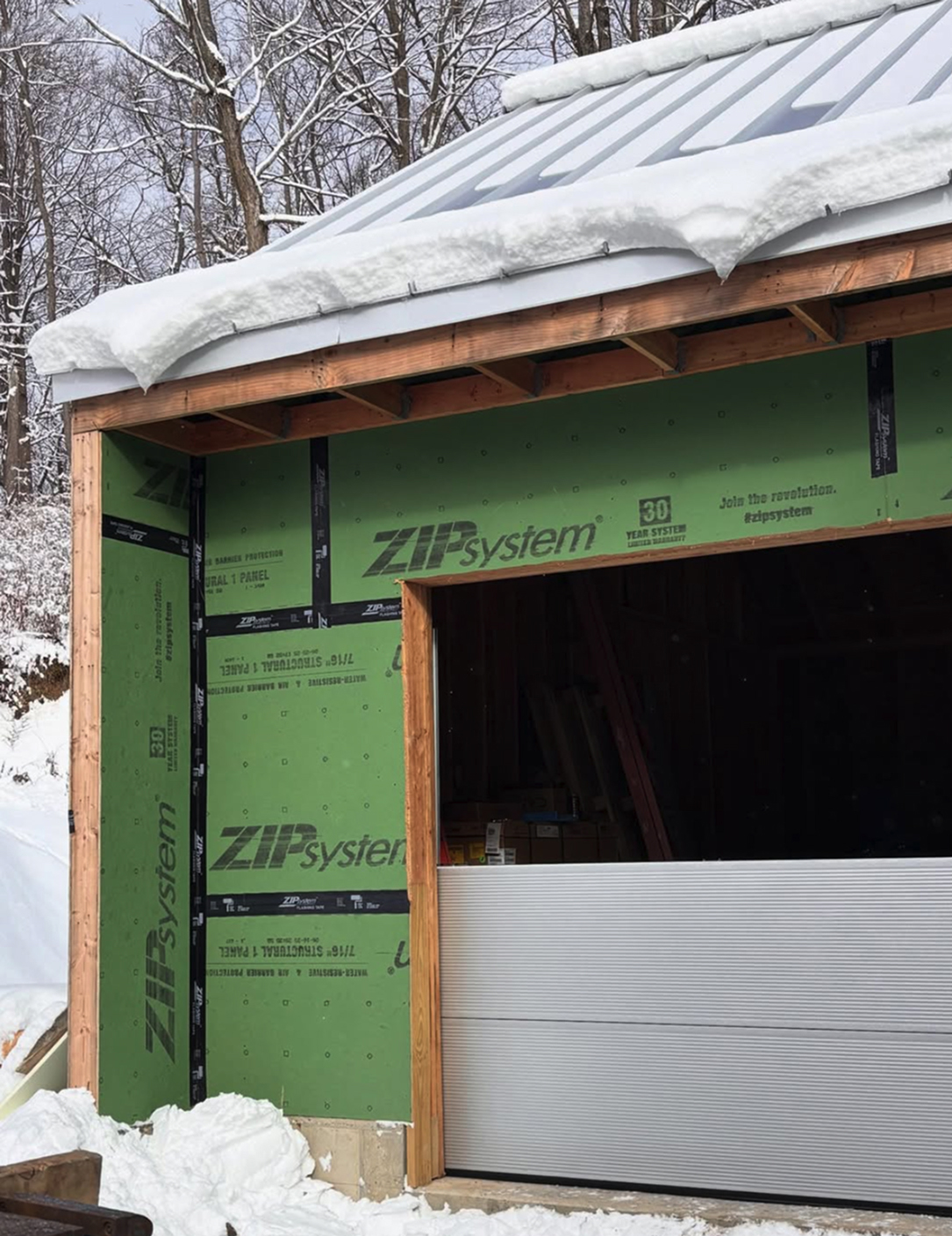
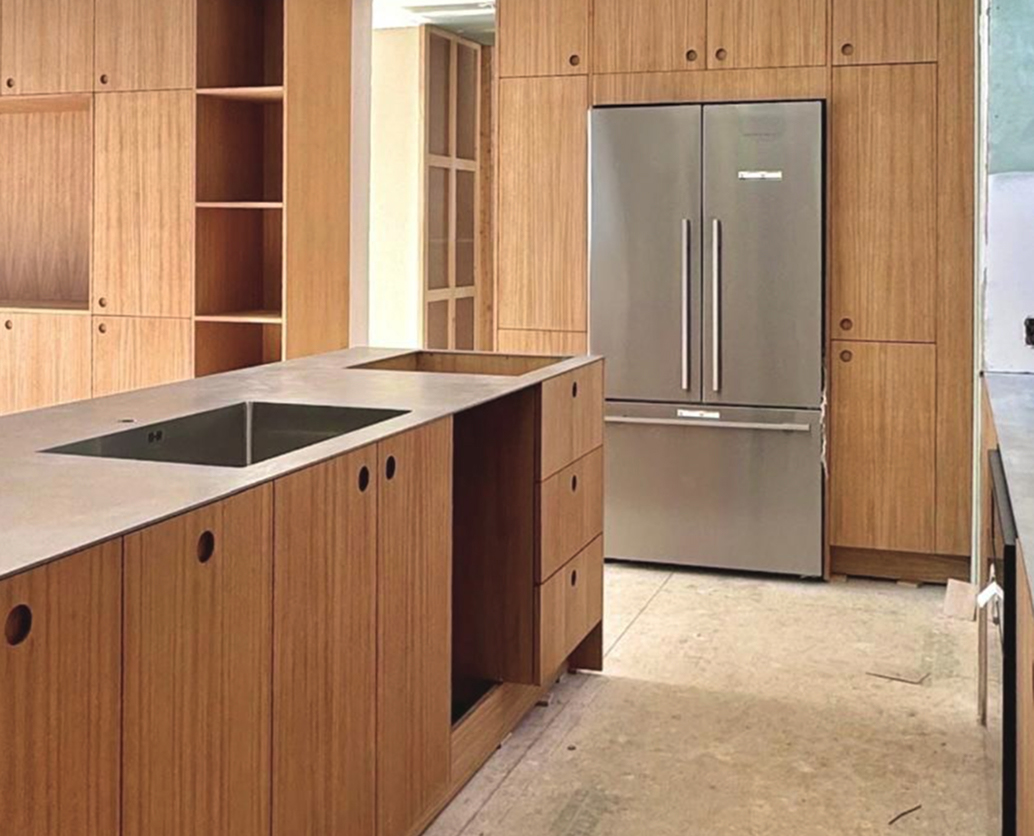
I never realized that brand could be a career path during my education. My passion was always for furniture and creating products. This passion eventually led me to the need to communicate these products to the end users. That’s when I discovered my love for visual and brand communication.
“Never stop being curious. Take the road most interesting to you, it will always be the right path to be on.”
Samuel Clarke, Brand Creative, Microsoft AI
What educational background or training do you have that has helped shape your skills?
My background is in visualization. This enabled me to explore a variety of media to help communicate ideas. Whether CG, AI gen, sculpture, woodwork, photographic, video, mixed media, retouch, illustration; visualization was a role that enabled me to develop a wide skillset based on whatever would best serve an idea.
What are you currently working on?
The brand expression, story & vision for Copilot.
Can you share an overview of your role as a Brand Director and how it specifically relates to Microsoft AI ?
My role is centered on Copilot, focusing on communicating its purpose and necessity to people. From this foundation, we can develop how we convey the product both visually and tonally.
What role do user feedback and usability play in your process? How do you incorporate feedback to improve your work?
We build both product and brand for the people that use our products. Therefore, we learn from our users to understand the emotions and resonance of the brand we are building. Hearing how people are using the product helps us communicate more authentically how the product is adding meaning to people’s lives.
With the introduction of AI, what changes or shifts do you anticipate within the industry?
I hope for us to focus less on the tools we use and spend more time discussing what we are seeking to create and why. The effort in mastering the tools takes away from mastering the ideas, I think AI will change this emphasis.
How do you stay updated on current tech trends and emerging practice?
Community is always the most welcomed go-to. We are lucky to be in a vibrant connected design community. Working with vibrant creative teams inside and outside of Microsoft keeps us aware.
Looking back at your journey, what advice would you give to aspiring creatives who are just starting out on their own path?
Never stop being curious. Take the road most interesting to you, it will always be the right path to be on.
Build the Future With Us
We’re a lean, fast-moving lab made up of some of the world’s most talented minds. We have an exciting roadmap of compute at MAI, with our next-generation GB200 cluster now operational. And we have an ambitious mission we truly believe in. We’re also fortunate to partner with incredible product teams giving our models the chance to reach billions of users and create immense positive impact. If you’re a brilliant, highly-ambitious and low ego individual, you’ll fit right in—come and join us as we work on our next generation of models!
Related Stories
Hira Mashkoor

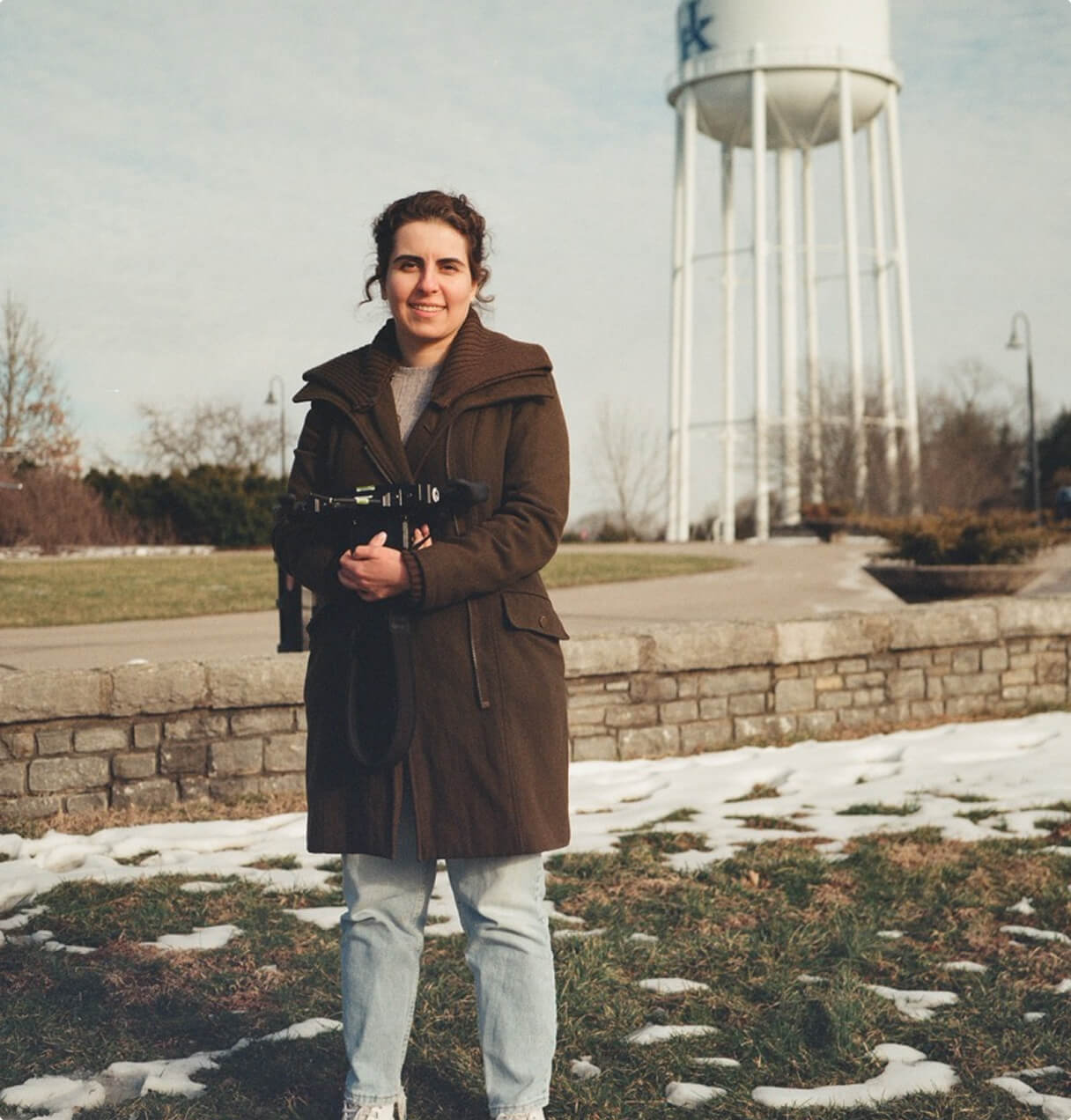
Hira has a knack for taking something complicated and transforming it into an experience people actually enjoy using. As a Design Manager at Microsoft AI, she works across Bing and Copilot to make sure AI feels less like a clunky machine and more like the kind of collaborator you actually want on your team. She is known for turning “why is this so confusing?” into “oh wow, that was easy,” and for sneaking in just enough delight to make even the most ordinary search feel fresh. For Hira, AI is not just changing how people find answers, it is reshaping how designers think, create, and dream about what is possible. And she is having a lot of fun leading the way.
How would you describe your job and what you do?
I like to say I give digital experiences a makeover in every sense of the word. I am basically in the business of glow-ups for less than delightful interfaces. As a Design Manager at Microsoft AI, my job is to take messy, complex, sometimes painfully boring experiences and turn them into something people actually enjoy using. If I do my job right, you will not even notice the work that went into it—you will just feel like everything flows, makes sense, and maybe even sparks a little joy. Think of me as the person behind the curtain making sure the magic happens without showing you all the wires.
How did you first become interested in design and what motivated you to pursue it as a career?
I have always been artistic. I was that kid sketching, building, and spending way too many hours hand-coding my MySpace layout so it sparkled just right. As the daughter of South Asian immigrants, I was expected to follow a “serious” career path like law, medicine, or foreign service if I wanted to be fancy. But I knew that was not my story. I did not just want to analyze systems, I wanted to redesign them.
So I pivoted into design full time, and I have never looked back. Being a woman of color in tech, I am unapologetic about bringing that perspective into the work. It means I push for clarity, empathy, and inclusivity in spaces that often overlook it. My path was not traditional, but that is what makes it powerful. I am not here to fit the mold, I am here to reshape it.
“AI is not here to take our jobs, it is here to take the boring parts of our jobs. Designers are not just pushing pixels and making pretty screens anymore, we are orchestrating relationships between humans and AI. “
Hira Mashkoor, Design, Microsoft AI
What educational background or training do you have that has helped shape your skills?
I studied International Affairs and foreign languages, which gave me a global perspective and an appreciation for culture and communication. But honestly, it was outside the classroom where I really found my voice. I am an artist at heart, and running my own wedding photography and videography business shaped me in ways school never could. It taught me how to tell stories with intention, how to adapt under pressure, and how to lead with both heart and hustle. Photographing weddings is basically UX design in disguise—you are balancing chaos, emotions, and a hundred moving parts to create something timeless and beautiful. Designing Bing or Copilot? Slightly fewer crying flower girls, but the same principles apply: empathy, craft, and making sure the end result feels effortless for the people experiencing it.
What are you currently working on?
Right now, I am focused on giving Bing a major AI glow-up. That means simplifying the Search Engine Results Page (SERP), shaping how people explore information through Copilot, and making sure traditional search evolves seamlessly with generative AI. I am also leading UX work that connects across Copilot, so everything looks, feels, and behaves like part of the same family.
The future of search is changing by the minute, and we have a unique opportunity to lead the way. There has always been a joke about “Bing for boomers,” but our mission now is to make it “Bing for everyone.” AI gives us permission to reinvent patterns that have existed since the dawn of the internet, and that is both thrilling and humbling. Yes, AI is smart, but my job is to make it kind, less spooky, and a lot more relatable. Think less “robot overlord” and more “helpful coworker who actually helps you pick an outfit or book a trip without making it a big deal.”
What role do user feedback and usability play in your process? How do you incorporate feedback to improve your work?
User feedback is our reality check. We build it into every phase of the process, from napkin sketches to live experiments. When it stings, we grab snacks and fix it fast. Historically, designers have been a little scared to break patterns that have existed since the dawn of the internet (double-clicking, blue links, hamburger menus). But AI gives us permission to reimagine everything. That is both exciting and terrifying. The trick is that change is hard for people, so it is our responsibility to bring users along thoughtfully. When you introduce it with care, they lean in instead of run away. It is kind of like convincing your parents to switch from flip phones to smartphones—you need patience, empathy, and maybe some cookies.
With the introduction of AI, what changes or shifts do you anticipate within the industry?
AI is not here to take our jobs, it is here to take the boring parts of our jobs. Designers are not just pushing pixels and making pretty screens anymore, we are orchestrating relationships between humans and AI. That means our roles are evolving, but in the best way. We get to spend less time on the repetitive stuff and more time creating the magic. It is thrilling, a little terrifying, and honestly a rare chance to re-center design around values that actually matter, like trust, transparency, and accessibility.
Looking back at your journey, what advice would you give to aspiring design managers who are just starting out on their own path?
First of all, your path does not have to be linear to be meaningful. Mine zig-zagged through international affairs, foreign languages, photography, startups, agencies, and somehow landed me here designing search and AI. So do not panic if your path looks more like a doodle than a straight line.
Stay curious. Lead with empathy. Learn to listen—not just to users, but to your team and to yourself. Do not design with ego, design with purpose. And if you are ever the only one in the room who looks or thinks like you, do not shrink. That perspective is your superpower. It might feel awkward at first, but trust me, the room needs it.
And finally, do not forget to find joy in the work. Design can be heavy, deadlines can be brutal, and pixels can be petty, but the magic is real. Protect it. Nurture it. And always keep snacks handy—you will need them.
Build the Future With Us
We’re a lean, fast-moving lab made up of some of the world’s most talented minds. We have an exciting roadmap of compute at MAI, with our next-generation GB200 cluster now operational. And we have an ambitious mission we truly believe in. We’re also fortunate to partner with incredible product teams giving our models the chance to reach billions of users and create immense positive impact. If you’re a brilliant, highly-ambitious and low ego individual, you’ll fit right in—come and join us as we work on our next generation of models!